In Stock
Panama – 25 Seeds
☆☆☆☆☆
€195.00
$218.46
Lineage Panama strain
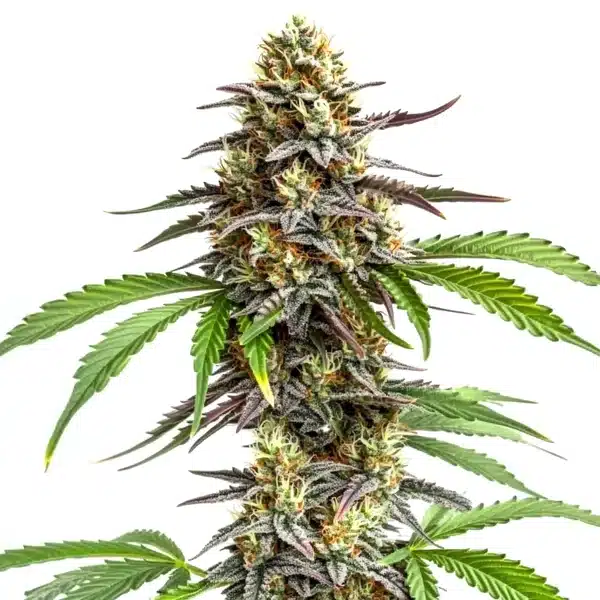
Panama Strain Seeds resulting from the cross between a Panama x Colombia will produce a hybrid strain Mostly Sativa 20% Indica / 80% Sativa. The strain will likely have a Hashish, Lemon, Spicy flavor with a strong Mostly Sativa head high.
Purchase directly from Blimburn SeedsLineage Panama strain
Panama Strain Seeds resulting from the cross between a Panama x Colombia will produce a hybrid strain Mostly Sativa 20% Indica / 80% Sativa. The strain will likely have a Hashish, Lemon, Spicy flavor with a strong Mostly Sativa head high.
It also has a Medium THC 11% – 15%, making it a great choice for those looking for a happy experience with a good dose of energy.
Origin
This strain, commonly known as Panama strain, traces its roots back to the rich, tropical regions of Central America. The genetics of this feminized strain are often sourced from both American and European seed banks, which have preserved and enhanced its lineage over the years. The strain is a celebrated sativa, developed from a blend of traditional landrace strains native to Panama, and it is cherished for its robust growth and resilience in various climates.
Panama Strain Sativa or Indica?
Panama Strain is a pure sativa strain, 20% Indica / 80% Sativa, known for its uplifting and energizing effects. This sativa dominance is evident in its ability to invigorate both mind and body, making it an excellent choice for daytime use or for activities that require creativity and focus. The strain delivers a clear headed high that enhances mental clarity while providing a subtle, physical relaxation that doesn’t overwhelm.
The sativa nature of this strain makes it particularly appealing to those seeking a boost in mood, energy, and mental stimulation without the sedative effects commonly associated with indica strains.
Panama Strain Effects
This feminized strain is renowned for its powerful sativa effects, offering an invigorating and cerebral high that is perfect for daytime use. Panama Strain provides a sense of euphoria and mental clarity, making it ideal for creative pursuits or social activities. Users often experience an uplifting energy boost that enhances focus and motivation, without the jittery feeling that some other sativas might produce.
Additionally, the strain is praised for its ability to relieve stress and fatigue, offering a refreshing mental uplift that can brighten even the most challenging day. Its clear headed high makes it a great option for those looking to stay productive while enjoying the therapeutic benefits of cannabis.
Germinating Panama seeds
It is important to germinate your weed seeds carefully if you want to have a healthy harvest from day one. Although there are several methods to germinate our Feminized cannabis seeds, at Blimburn Seeds, we recommend our customers to follow our easy and simple technique. Before removing our Panama seeds from their packaging, remember that cannabis seeds are alive and delicate. Our hands are full of bacteria that can easily infect seeds and ruin our germination.
Set Up Your Germination Station: Begin by moistening two paper towels with room temperature water. Lay one paper towel on a plate and spread the seeds on it, spacing them about 2 cm apart. Place the second paper towel on top of the seeds, and make sure to remove any excess water from the plate. Cover the setup with another opaque plate and store it in a warm, dark location.
Monitoring: Make sure paper towels are still moist by checking every 4-6 hours and spraying room temperature water. Typically, germination should occur within 24 to 120 hours. Once the seeds have sprouted tap roots, plant them with the roots facing down and cover with about 2 cm of soil. Remember to water the soil regularly by spraying to keep it moist. It may take up to two weeks for the plants to start growing.
Ideal Conditions: Maintain a consistent temperature of 70-90ºF in the germination area. Use purified room temperature bottled water with a pH level between 5.5 and 7. Keep the seeds away from light, allowing exposure for less than 1 minute before and during germination. Avoid touching the seeds or applying pressure to them.
Record Keeping: To qualify for the three month germination guarantee, it is necessary to follow all the steps outlined in our germination guidelines. Please do not use alternative germination methods, such as using a water bottle or planting directly into soil. Document the germination process through photography or video, as it will be requested when assessing claims for replacement products.
Panama Seeds Flowering Time
Panama seeds typically has a flowering time of around 10 to 12 weeks, reflecting its pure sativa genetics. This longer flowering period is common among sativa strains, but the wait is well worth it as the plant produces tall, resinous buds with a rich, earthy aroma and sweet undertones. The strain is well suited for both indoor and outdoor cultivation, particularly in warm climates where it can reach its full potential.
Growers appreciate this strain for its bountiful yields and the quality of its flowers. Despite its longer flowering time, Panama strain rewards cultivators with a harvest of potent, high-quality buds that capture the essence of its tropical origins.
How to grow Panama strain Seeds?
Panama strain seeds can be grown indoors or outdoors under optimal conditions, to avoid any problems during their development. Although they are moderately easy to grow and hardy, we should always prevent any pests.
You can use different growing methods to retain and enhance the terpenes and flavors of your Feminized Panama strain buds.
Use a quality substrate. Perlite, peat or coco coir are ideal for moisture retention.
Thanks to the experience of our customers with our Feminized Panama seeds, we know that we can increase yields up to 20%.
For optimal indoor cultivation, Blimburn Seeds advises wide, vertical spaces and the use of the ScrOG method to obtain a uniform plane and increase the size of the lower flowers. If you plan to grow our Feminized seeds outdoors, we have developed a grow guide for optimal cultivation in any area of the world.
Remember that our cannabis plants also need good nutrients when our Feminized seeds are seedlings, in their vegetative period and finally in their flowering period.
When you grow cannabis seeds outdoors, choose the best date for your crop, a place where our cannabis plants receive the most hours of sunshine.
If on the other hand you like to grow your Feminized seeds indoors and you have good tents, textile pots for growing, led lighting, air extractor, to circulate clean air and of course a good carbon filter to avoid problems with neighbors or the law.
Keep daytime temperatures between 68℉-80℉ and nighttime temperatures between 7℉-9℉ cooler.
These Feminized plants need low humidity to thrive. Keep relative humidity (RH) levels at 55%-60% during the vegetative phase. Reduce RH to around 40% during the flowering phase. By harvest time, you can reduce RH to 30%.
Outdoors, breeders in the northern hemisphere should sow their cannabis seeds in April for harvest in mid October. Indoors, these crops have a flowering time of 10 – 12 weeks and produce about 0.98 – 1.32 oz/ft2 | 300 – 400 gr/m2.
If you plan to grow our feminized seeds outdoors, we have developed a grow guide for optimal cultivation in any area of the world.
Optimal Climate for Cultivating
The Panama cannabis strain requires a tropical or subtropical climate to thrive, featuring hot temperatures and high humidity. The ideal temperature for the cultivation of this strain ranges between 77–86°F (25–30°C) for optimum growth. This potent strain flourishes under plenty of sunlight, so getting a good location for optimal light exposure is paramount. Additionally, due to its tropical lineage, this strain favors a high relative humidity environment of about 70-80%.
For growers residing in the U.S., the most suitable states that simulate Panama’s ideal climate include Florida, Hawaii, Texas, Louisiana, Georgia, and Alabama. Here, the Panama cannabis strain can truly flourish and express its unique tropical genetics. Given the demanding climate requirements of the Panama strain, growers in these states are we